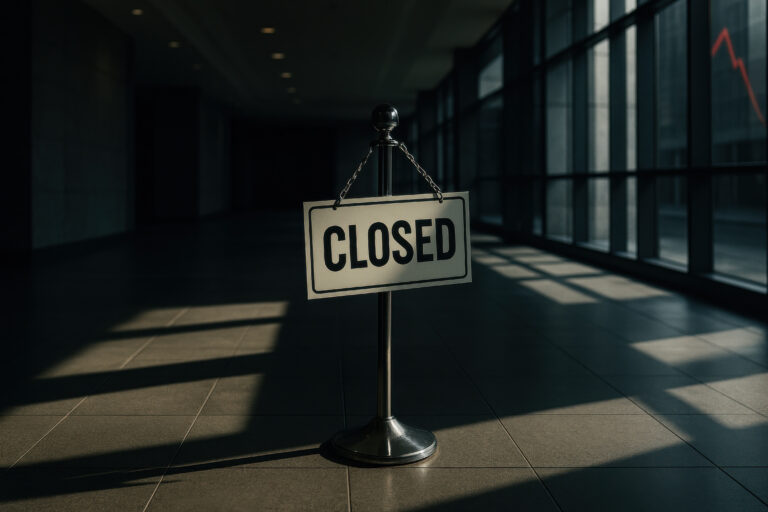
There are few things more heartbreaking in the theatre world than having to cancel a show before it even begins. Not because the performance lacked heart, or the cast lacked talent, or the production lacked vision but because the numbers simply did not come in.
It is one of the hardest truths in live performance: theatre may be magical, but it is also practical. A show cannot run on passion alone. It needs an audience in the seats. It needs advance ticket sales. It needs the kind of support that turns a beautiful idea into a living, breathing evening of entertainment. And when those tickets do not sell in time, the painful decision sometimes has to be made to cancel.
For artists, producers and venues, this is never just a business choice. It is emotional. It means disappointing a team of people who have invested time, energy, money and hope into something they believed in. It means telling performers that the stage they prepared for will stay empty. It means explaining to technicians, front-of-house staff and creative teams that the work they were ready to share will not be seen. It means holding the sadness of what could have been.
And for audiences, it is disappointing too. A theatre show is more than a night out. It is anticipation, escape, connection and the promise of something live and fleeting. When a show is cancelled, that shared moment disappears before it has had a chance to happen.
But this is also a reality that the theatre community knows all too well. Unlike many other forms of entertainment, live theatre depends heavily on advance commitment. A show cannot always wait until the last minute for a crowd to appear. Sets must be built. Artists must be paid. Venues must be prepared. Lights, sound, marketing and logistics all come with real costs long before the first audience member walks through the door.
That is why early ticket sales matter so much. Buying a ticket is not just reserving a seat, it is casting a vote of confidence in the work. It is helping keep the doors open, the lights on and the stage alive. It is saying to the artists, “We want this to happen.”
So while cancellations are sad, they are also a reminder of how fragile and precious live theatre really is. Every performance is a collective act of trust: artists create, venues host, and audiences show up. When one part of that chain breaks, the whole experience becomes difficult to sustain.
The hope, of course, is that audiences continue to understand the importance of supporting shows early, especially smaller productions, independent theatre and local venues. Because behind every cancelled show is not just a lost booking, it is a story of effort, belief and possibility that never quite made it to the stage.
And that is what makes the disappointment so real. Theatre is live. Theatre is vulnerable. And sometimes, sadly, theatre can be cancelled before it ever gets the chance to begin.
If you support live performance, buy early. Tell a friend. Share the poster. Fill the seats before the lights go up. Because every ticket sold in advance helps keep the curtain ready to rise.